

In long-haul transportation, cargo is continuously exposed to dynamic forces rather than static loads. Road vibration, rail impacts, braking forces, acceleration, and vessel motion all apply repeated stress to load securing systems. Under these conditions, the behavior of heavy duty polyester cord strapping plays a decisive role in maintaining load stability over extended transport distances.
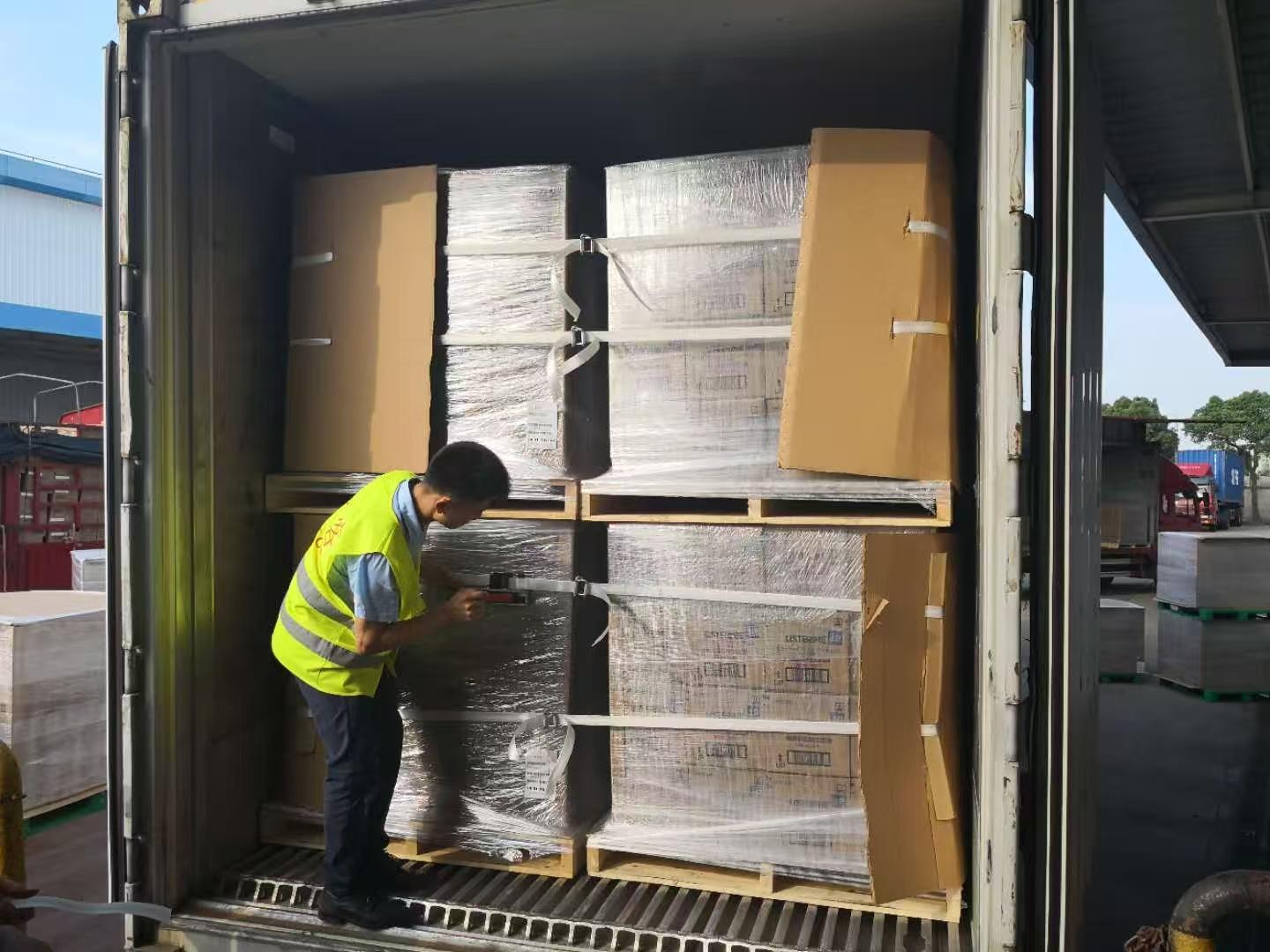
Dynamic Loading in Long-Haul Transport
Unlike short-distance deliveries, long-haul transport subjects cargo to thousands of small load cycles. Even minor movements can accumulate over time, increasing the risk of load shift or packaging deformation. A securing system must therefore accommodate repeated dynamic loading without losing effective restraint force. Heavy duty polyester cord strapping is designed to respond elastically to these conditions. Its woven polyester structure allows controlled elongation under stress, enabling the strap to absorb energy generated by vibration and shock instead of transferring it directly to the cargo or anchoring points.
Controlled Elongation and Tension Retention
One key performance advantage of heavy duty polyester cord strapping is its ability to retain functional tension during transport. As cargo settles or packaging compresses, rigid securing materials often experience rapid tension loss. Polyester cord strapping adapts to these changes by redistributing stress across the system, helping maintain load restraint even after initial settling occurs. This controlled elongation is especially valuable under repeated dynamic loading, where continuous micro-movements would otherwise reduce system effectiveness over time.
System Behavior Under Repeated Stress
Dynamic forces do not act on the strap alone. Buckles, edges, pallets, and anchoring points all experience cyclic loading during long-haul transport. Heavy duty polyester cord strapping performs best when integrated into a properly matched system. Balanced strength between strap and buckle capacity helps distribute forces evenly, reducing localized stress concentrations and lowering the risk of sudden failure. When system components are mismatched, repeated loading may lead to buckle deformation, strap slippage, or progressive loosening-even if the strap itself remains intact.
Environmental Influence on Dynamic Performance
Long-distance transport often involves exposure to humidity, temperature variation, and corrosive environments, particularly in maritime shipping. Heavy duty polyester cord strapping offers strong resistance to moisture and corrosion, ensuring that material properties remain stable throughout repeated loading cycles. This environmental reliability supports predictable performance over long transport durations.

Application Factors Affecting Dynamic Behavior
Laboratory test data provides useful reference values, but real-world dynamic performance depends heavily on correct application. Excessive initial tension can reduce the strap's ability to absorb movement, while insufficient tension allows uncontrolled cargo displacement. Proper strap positioning, edge protection, and consistent tensioning practices all influence how the system responds to repeated dynamic forces.
Industry Perspective
Understanding how heavy duty polyester cord strapping behaves under repeated dynamic loading allows logistics professionals to design securing systems that perform reliably beyond static test conditions. At ANPACK, heavy duty polyester cord strapping systems are developed with long-haul transport in mind, emphasizing controlled elongation, system compatibility, and stable performance under continuous dynamic stress. These principles help reduce cargo movement, limit structural fatigue, and improve overall transport safety across extended supply routes.